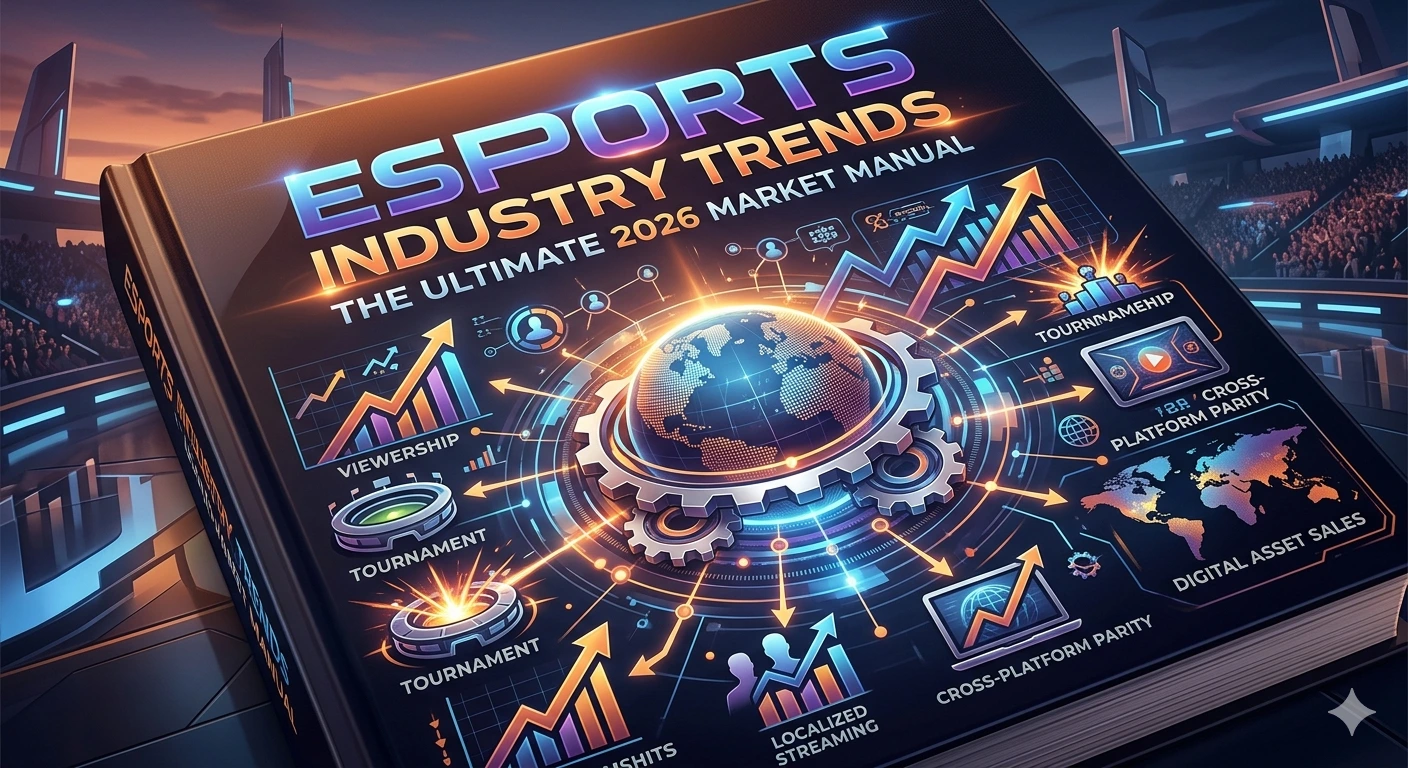
Esports Industry Trends – The global digital entertainment sector has converged into a massive institutional powerhouse as we progress through 2026. Professional electronic gaming is no longer classified as a niche subculture or a temporary digital trend; it has evolved into a multi-billion-dollar global infrastructure that directly challenges traditional athletic leagues in viewership, media rights valuation, and corporate sponsorship engagement. Navigating this hyper-accelerated marketplace requires shifting from basic surface-level event tracking to executing a meticulous, data-driven analysis of modern esports industry trends.
A flawed understanding of tournament ecosystems, demographic transitions, and digital monetization frameworks introduces severe strategic blind spots for digital publishers, investors, and brand managers. At Ngeonline, our operational objective is to translate highly complex industry benchmarks into clean, actionable analytical frameworks. This comprehensive pillar guide serves as the authoritative structural center for our dedicated E-Sports division, establishing an essential reference point for our broader Global News matrix.
The Macroeconomics of Modern Esports Industry Trends
Analyzing the contemporary path of esports industry trends demands a comprehensive re-evaluation of digital asset valuation and audience attention metrics. Throughout the past decade, early industry expansion was fueled by speculative venture capital and inflated audience projection models that focused heavily on raw viewership numbers without establishing clear paths to direct revenue generation. In 2026, the global market has undergone a healthy structural correction, transitioning from speculative scaling into a disciplined era centered on sustainable average revenue per user (ARPU).
To accurately track these shifting operational currents, analysts must look past simple concurrent viewer peaks on broadcast platforms. Evaluating structural longevity requires a granular cross-reference of global media broadcasting rights, localized physical ticket sales, premium digital merchandise integration, and multi-year corporate sponsorship contracts. By filtering your market research through these objective financial parameters, you can effectively separate temporary internet hype from permanent capital growth vectors within the digital arena.
| Market Pillar | Primary Evaluation Metric | Strategic Objective |
|---|---|---|
| Viewer Monetization | Direct ARPU Scaling Matrix | Optimizes internal digital transaction pipelines and premium fan access. |
| Structural Stability | Media Rights Multi-Year Value | Establishes predictable cash flows independent of changing seasonal metas. |
| Brand Integration | Contextual In-Game Asset Placement | Drives non-intrusive corporate sponsorship revenue directly into game engines. |
Evaluating Franchised League Sustainability and Team Economics
The structural evolution of professional competitive circuits has forced a massive re-engineering of internal team financial operations. Achieving long-term franchised league sustainability stands as the most critical challenge facing modern organization owners and tournament software developers alike. The legacy model of demanding exorbitant, multi-million-dollar upfront slot buy-ins without providing guaranteed system revenue sharing led to intense operational strain for participating organizations globally.
In response, the 2026 landscape has pivoted aggressively toward flexible affiliate structures and collective gross revenue-sharing programs. Tournament operators and software publishers are working in close synchronization to design exclusive, high-tier digital assets—such as customized in-game character skins, branded weapon modules, and team-specific virtual arenas—where a major percentage of direct sales goes straight into the organizations’ balance sheets. This specialized financial integration provides teams with a stable, highly predictable revenue cushion that effectively offsets high player salary overheads during economic downturns.
The Structural Realities of Player Burnout and Tactical Career Optimization
As the competitive environment demands near-flawless execution and continuous training regimens, managing human capital has emerged as a core pillar of operational excellence. The intensity of modern competition loops, combined with international travel demands, frequently triggers severe player burnout matrices that shorten professional lifecycles significantly.
To protect these highly valuable athletic assets, top-tier organizations are implementing sophisticated performance validation protocols. Rigs are augmented with dedicated physiological monitoring systems, data-driven nutritional frameworks, and structured neural recovery hours. Prioritizing long-term physiological health over short-term tournament grinds ensures that elite players maintain peak cognitive processing velocities and fine motor response consistency throughout extended competitive seasons, maximizing organizational roster investments.
Technical Architecture: Shifting the Cross-Platform Competitive Meta
The underlying software foundations and platform choices dictate the structural flow of global viewing and engagement metrics. Tracking the ongoing changes in the cross-platform competitive meta reveals a massive democratic expansion within the global player base. While high-end desktop personal computers retain an absolute monopoly over ultra-low latency inputs and high-refresh-rate graphical processing for tactical first-person shooters, mobile hardware optimization has completely captured the global volume market.
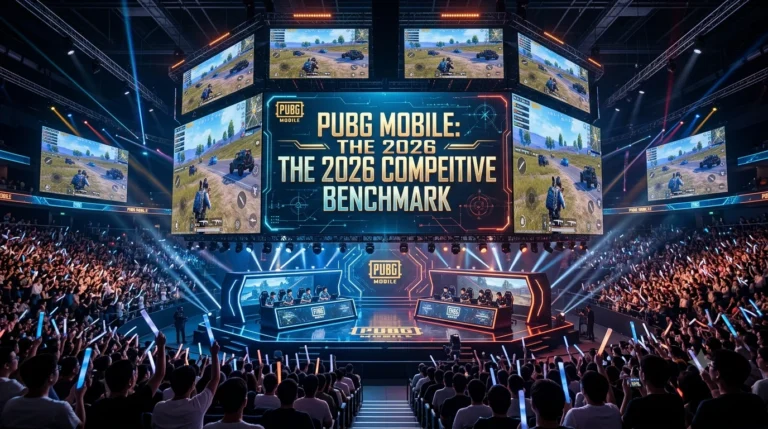
Modern mobile processing units running on advanced architectures are now capable of executing complex multiplayer computational matrices that previously required dedicated desktop towers. This technological democratization allows titles in the mobile multiplayer online battle arena (MOBA) and battle royale sectors to scale rapidly across emerging markets, where smartphone ownership vastly outpaces high-end PC deployment. Tournament structures are adapting accordingly, building massive stadium environments designed specifically to showcase mobile competitive titles to tens of thousands of live spectators.
Competitive Infrastructure Optimization Protocol
- Network Routing Architecture: Establish dedicated, low-latency fiber backbones and localized edge-computing servers to guarantee sub-5ms ping distributions during live championship matches.
- Hardware Standardization Matrix: Mandate uniform display refresh monitors and processing hardware across all tournament stages to ensure perfect competitive parity for every competing athlete.
- In-Engine Broadcaster Integration: Implement advanced API hooks within the game engine to allow real-time telemetry and data overlays to feed directly into live broadcast production desks.
The Evolution of Digital Broadcast Production and Virtual Arenas
The physical presentation of digital competition has evolved into a highly complex audio-visual engineering feat. Modern broadcast directors are no longer simply capturing a monitor screen; they are operating within fully realized virtual production environments. Utilizing real-time camera tracking and high-density rendering engines, live tournament broadcasts seamlessly blend physical stage spaces with dynamic, three-dimensional in-game asset overlays, creating an immersive, high-fidelity experience for digital viewers globally.
Audience Engagement: Localized Streaming Monetization Models
The core engine driving the expansion of modern esports industry trends is the localized refinement of audience interaction pipelines. Relying entirely on broad, global English-language streams is an outdated approach that restricts total market expansion. Implementing highly targeted localized streaming monetization strategies allows tournament networks to maximize their financial return across diverse geographic and cultural regions simultaneously.
This localized deployment involves establishing distinct regional broadcasting hubs featuring native shoutcasters, culturally tailored brand partnerships, and customized digital engagement tools. Furthermore, the integration of interactive digital viewing passes allows fans to customize their viewing interfaces in real time—granting them the ability to choose specific player-perspective cameras, access live analytical data matrices, and purchase exclusive digital team merchandise instantly through integrated checkout modules. This granular approach transforms passive media consumers into active financial participants, vastly multiplying total platform yield.
| Streaming Arena | Primary Engagement Vector | Monetization Countermeasure Protocol |
|---|---|---|
| Interactive Broadcasts | Real-Time Predictive Fan Quizzes | Integrated Virtual Token Transaction Engines |
| Regional Hubs | Native Language Shoutcasting | Localized Geofenced Brand Sponsorships |
| Premium Fan Portals | Direct Player-Perspective Cameras | Tiered Digital Subscription Micro-Passes |
Intellectual Property Rights and Publisher Sovereignty Friction
The absolute defining structural difference between traditional physical sports and digital competitive ecosystems lies in the legal concept of intellectual property ownership. While no single corporation owns the fundamental rights to the game of football or basketball, every digital title is the absolute sovereign property of its respective software publisher. This structural reality creates an intense friction between tournament operators, independent team leagues, and the publishers who retain complete veto power over any public competitive application of their code.
This concentrated power dynamic means that an entire competitive ecosystem can be altered, redesigned, or completely terminated based on the strategic directives of a single corporate board. If a publisher decides to alter internal balance patches or transition a title to an entirely new engine framework, organizations must adapt their training infrastructure instantly without legal recourse. Navigating this landscape requires team owners to diversify their asset portfolios across multiple unrelated game titles, protecting their brand equity from sudden changes in publisher policy.
The Impact of Algorithmic Balancing Patches on Professional Athlete Lifecycles
In traditional sports, the physical rules governing competition remain static for decades. In the digital arena, the mechanical parameters dictating the competitive landscape are altered continuously through automated software updates and balance patches. A single software modification can adjust character attributes, weapon spray patterns, or map movement speeds instantly, completely neutralizing years of specialized muscle memory built by an elite competitor. Professional athletes must possess extreme cognitive plasticity to continuously relearn their craft under shifting mechanical parameters, making adaptability the ultimate survival metric in modern competitive gaming.
Sponsorship Diversification: Shifting Away from Pure Endemic Brands
The financial foundation supporting global tournament structures has experienced an essential diversification wave. Historically, funding for prize pools and event production was heavily reliant on endemic hardware brands—such as processing chip manufacturers, gaming peripheral developers, and specialized monitor companies looking to capture a direct consumer audience. In 2026, the corporate partner profile has expanded dramatically into non-endemic sectors, including global automotive groups, premium financial institutions, and high-tier lifestyle fashion houses.
This transition into non-endemic corporate integration signals that the global demographic profile of digital enthusiasts has matured into a highly valuable consumer class. Modern fans are no longer viewed merely as teenagers playing games in isolated rooms; they are recognized as upwardly mobile young professionals with substantial disposable income and long-term brand loyalty potential. Designing sophisticated, non-intrusive brand integration matrices that place products naturally within the digital game space ensures that corporate partners achieve high recall rates without interrupting the core entertainment flow.
Frequently Asked Questions: Advanced Esports Analysis
What is the dominant factor shaping global esports industry trends in 2026?
The most impactful force is the deliberate transition from speculative scaling and venture-backed expansion into long-term franchised league sustainability. This involves a structural focus on digital asset revenue splitting, localized viewer monetization tools, and sustainable player salary frameworks designed to secure predictable operational cash flows.
How does a shifting cross-platform competitive meta alter global viewer metrics?
The rapid expansion of high-tier mobile processing technology has democratized the global gaming landscape, driving massive viewership surges across emerging markets. While desktop setups maintain absolute authority over tactical simulation titles, optimized mobile titles now anchor the world’s largest physical stadium events, expanding total audience reach exponentially.
Why does publisher sovereignty introduce risk into professional sports team investments?
Unlike traditional athletic sports, every electronic game title is the absolute intellectual property of a software publisher. This concentration of ownership grants publishers total authority over tournament licensing, rules modifications, and ecosystem termination, forcing competitive organizations to diversify their team portfolios across multiple independent titles to minimize operational risk.
Conclusion: Mastering the Digital Competitive Landscape
Sustaining a competitive advantage within the highly dynamic digital sports arena demands a total commitment to rigorous, data-driven operational methodologies. By systematically analyzing league sustainability metrics, monitoring the continuous shifts across the cross-platform competitive meta, and deploying highly targeted localized streaming monetization matrices, analysts effectively remove guesswork from market forecasting. This disciplined empirical approach guarantees that every corporate partnership, media acquisition strategy, and infrastructure investment serves a precise operational goal while delivering unmatched structural clarity.
The ultimate goal of any advanced digital sports strategy is to build a highly responsive, structurally insulated ecosystem that successfully capitalizes on global viewership metrics without falling victim to sudden publisher policy shifts or changing gaming trends. As technological development continues to accelerate across the mobile processing and virtual production sectors, staying anchored to these foundational economic pillars ensures that your digital infrastructure remains exceptionally powerful, secure, and fully prepared for whatever innovations emerge next on the digital horizon.
About the Author